
Pressure Sensors
Precision Pressure Sensors for HVAC Systems — Control and Stability
Accurate pressure measurement is critical for ensuring the efficiency, safety, and performance of HVAC systems. Belimo pressure sensors are engineered to deliver high-precision readings across a wide range of air and water applications, including those requiring extremely high or low pressure monitoring. These sensors provide reliable data for pressure, differential pressure, and airflow, enabling effective system control and diagnostics.
Product Series:
-
Differential pressure for air
-
Differential pressure switch for air
-
Differential pressure for water
-
Relative water pressure
Features
- With selectable measuring ranges, Belimo pressure sensors offer exceptional flexibility to meet the specific needs of various building environments and system configurations.
- Robust design and advanced sensing technology ensures long-term stability and minimal maintenance, making them a dependable choice for both new installations and retrofit projects.
- Belimo sensors contribute to smarter, more responsive HVAC operations, whether used in air handling units, chilled water systems, or ventilation ducts.
Innovation for Peace of Mind



Product Range
Duct Sensors
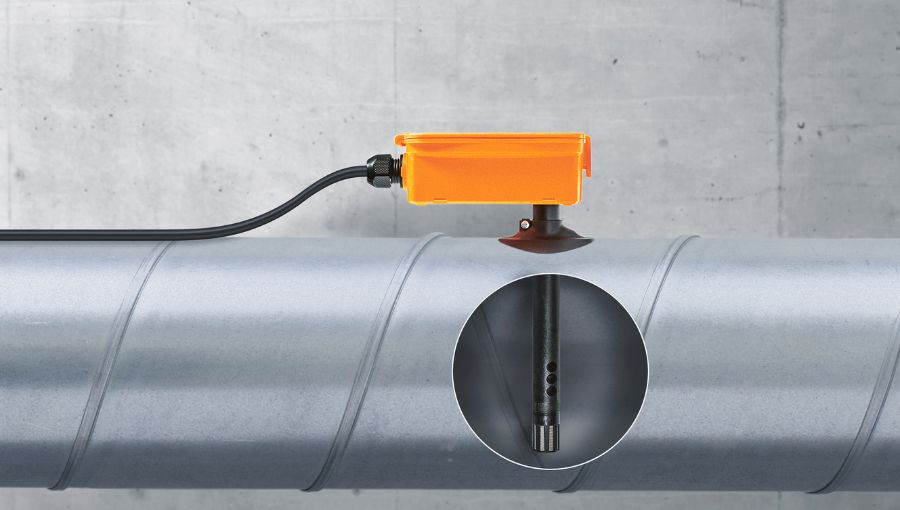
Monitor differential or static air pressure in ventilation systems to ensure balanced airflow and effective zoning.




Pipe Sensors
Measure water or refrigerant pressure in heating and cooling circuits, helping regulate system load and efficiency.


Optimize HVAC Control with Advanced Pressure Sensors
Pressure sensors are integral to efficient HVAC systems, providing accurate monitoring and regulation of air and fluid pressure. These sensors help maintain consistent flow, balance system performance, and prevent overpressure or vacuum conditions. Accurate pressure measurement is essential for optimizing energy usage, ensuring occupant comfort, and protecting HVAC equipment.
Key Benefits of HVAC Pressure Sensors from Belimo
Incorporating high-precision pressure sensors into HVAC systems offers several critical advantages that improve performance, safety, and efficiency across diverse building environments.
-
Enables precise control of both airflow and fluid dynamics in ducted and piped systems, ensuring balanced distribution and improved system responsiveness for optimal comfort and performance.
-
Supports variable air and water flow control for reduced energy consumption and operational cost, helping facilities meet sustainability goals without compromising indoor climate quality.
-
Detects abnormal pressure conditions, preventing equipment damage and operational failures, while contributing to proactive maintenance and system reliability.
-
Helps meet regulatory standards in healthcare and industrial HVAC systems by providing accurate, real-time pressure data for auditing and reporting purposes.
-
Supports analog (0–10 V, 4–20 mA) and digital (Modbus, BACnet) outputs for seamless building management system integration, allowing for flexible deployment and streamlined commissioning.
Applications of HVAC Pressure Sensors
Pressure sensors are crucial for HVAC system monitoring and control in diverse settings, helping maintain optimal performance, safety, and energy efficiency.
-
Optimizing airflow and pressurization in offices, retail spaces, and educational facilities, these sensors contribute to consistent comfort and efficient climate control across varying occupancy levels.
-
Monitoring process environments with strict airflow and pressure requirements, Belimo sensors help ensure operational precision and compliance with industrial standards.
-
Maintaining positive or negative pressure differentials in critical zones, they support sterile conditions and safeguard patient health and sensitive procedures.
-
Ensuring optimal pressure in cooling systems to protect sensitive IT equipment, these sensors help prevent overheating and maintain uninterrupted system performance.
Selecting the Right Pressure Sensor for HVAC Applications
When selecting a pressure sensor for HVAC systems, consider the following specifications to ensure optimal performance, compatibility, and reliability across various environments.
-
Choose between static, differential, or gauge pressure sensing depending on the application, as each type serves specific monitoring needs within air and hydronic systems.
-
Ensure the sensor’s range aligns with system requirements for air or liquid pressure, allowing for accurate readings without exceeding operational limits.
-
High-resolution sensors provide stable, drift-free performance over time, which is essential for maintaining consistent control and minimizing recalibration efforts.
-
Select the appropriate output format (analog or digital) for control system compatibility, enabling seamless integration with building automation platforms and efficient data communication.
-
Durable, sealed designs with IP-rated protection for demanding HVAC environments ensure long-term reliability even in areas exposed to moisture, dust, or temperature extremes.